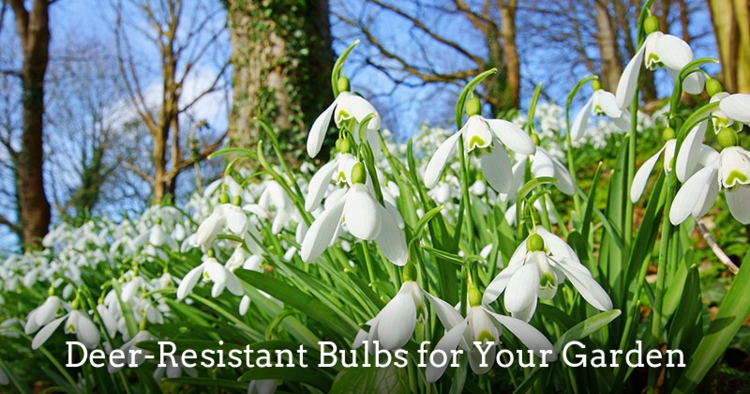
Though deer and other stealthy animals tend to avoid areas of human activity, your fall garden may be too irresistible. Fortunately, autumn is the perfect time to plant a variety of spring-blooming bulbs that are not only beautiful, but also repel unwelcome moochers.
Get to know these double-duty plants that can save your garden from hungry herbivores while increasing its splendor.
Daffodils — Beautiful and easy to grow, daffodils come in a variety of types and colors. They contain lycorine, a bitter and poisonous alkaloid that deer and other mammals avoid.
Snowdrops — Early bloomers, these white flowers also contain lycorine and grow best in moist, well-drained soil.
Alliums — Also called flowering onions, alliums are in the chive and onion family. These round bulbs of light purple flowers bloom in late spring and early summer.
Hyacinths — Like daffodils and snowdrops, hyacinths are poisonous. They’re also wonderfully fragrant and keep deer at bay.
Snowflakes — Another lycorine-containing flower, snowflakes have bell-shaped bulbs that bloom in mid- to late spring.
These flowers will help discourage deer, but if you need a stronger deterrent, your best bet may be a deer fence. Deer are jumpers, so make sure your barrier is at least 8- to 12-feet tall. Fortunately, there are decorative options and plenty of online inspiration you can use to keep your fence from overpowering your landscape.
You’ve wielded your green thumb all growing season. Don’t let the fruits and flowers of your labor get gobbled up by uninvited animal visitors. With a deer fence or bitter-tasting beauties, you’ll enjoy your garden all season long.


 Insurance companies can use varying factors to determine what you pay for your insurance. These factors include your driving record, type of car, age, location and in most cases, your credit-based insurance score. In fact, variations in insurance score can cause the cost of insurance to fluctuate upwards of 200-250% the lowest rate. In dollar figures that means a person with a good insurance score may pay $750 for their insurance while someone with a poor score could pay as much as $1800 or more for the same policy.
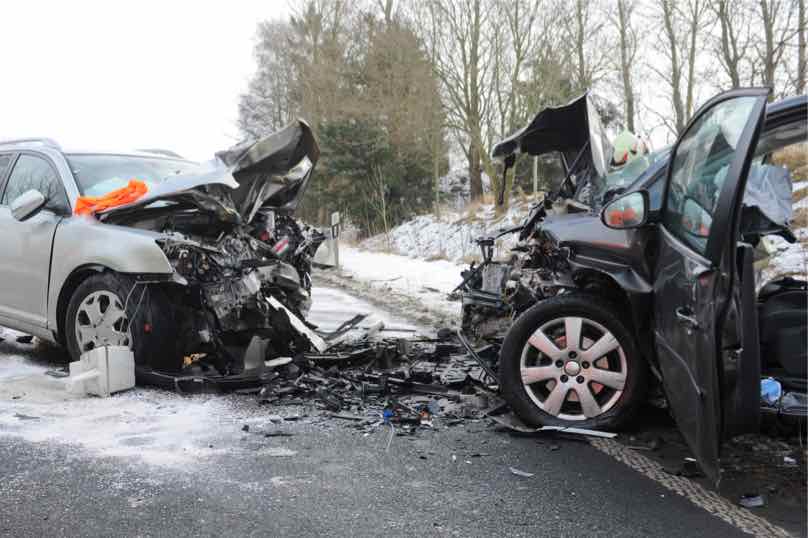 The second number is 50. Again this represents thousands of dollars. This amount is the maximum amount of coverage your policy has in the event that more than one person is injured. First we had $25,000 maximum for one person, but here we see the maximum coverage available for all bodily injury is $50,000. For example… if there are 3 people injured in the vehicle you hit, you will have no more than $25,000 for any one individual and a maximum of $50,000 for all of them combined.
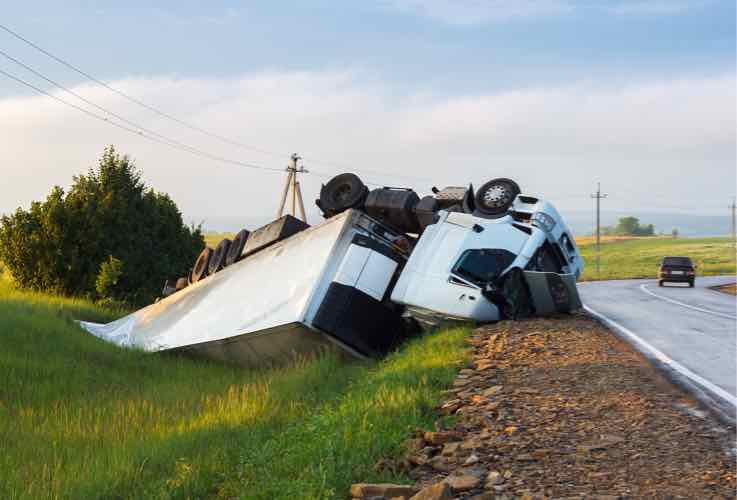 Looking at real world examples of Property Damage. Let’s consider the average cost of a new car today being about $30,000. That is only one vehicle and already you have exhausted your $25,000 limit if you end up doing so much damage they total out the car. But what if you hit a more expensive vehicle like an SUV or a Corvette. What if you cause damage to more than one vehicle? Heaven forbid you are responsible for running a semi off the road and damaging the rig, the trailer and the cargo. $25,000 doesn’t go very far in these cases and you may be left paying for the difference out of your pocket.