Categories
Uncategorized

Homeowners Insurance Quote, Things To Consider

Homeowners Insurance Quote, Things To Consider

When you start looking for a Homeowners Insurance Quote, whether it is online or on the phone, here are a few items to consider when comparing coverage and agents.

Most insurance agents know that price is the biggest factor that motivates a consumer when they are looking for insurance. Don’t fall in to this trap! Not all homeowners insurance is the same. Coverage can vary from company to company. Sometimes coverage has been omitted, reduced, eliminated or just not even offered. Make sure you take the time to know what you are getting for your premium dollars.

First, a local agent is likely your best source for home insurance coverage. A local agent is familiar with the area and the types of coverage that are most needed. A local agent is also more accessible and possibly more responsive to your needs being part of the same community. By choosing a local agency you can help yourself at the same time you help keep your local area successful by shopping small with a hometown agent.

Second, coverage is very important, don’t get short changed. A homeowners insurance policy is only as good as what you put in to it. A barebones policy may be better looking when considering the premium alone but when it comes time to use your insurance for a major loss do you want to be covered or not?

a)     Dwelling limit – The first major thing that most insurance consumers look at is the dwelling coverage limit. This simply stated is the maximum amount of coverage on the dwelling. It is important that your policy correctly insure the Replacement amount of your dwelling. The last thing you need after a major fire is to find out you don’t have enough coverage to rebuild or to be subject to a penalty for a partial loss because your dwelling coverage total was not adequate.

b)     Deductible – The second most asked question from the insurance consumer is about deductible. The deductible should be high enough to get the most premium savings possible while still maintaining a limit that will not over exert your budget if a loss occurs. The most common deductible in our agency today is $1000. Different deductibles are available and your agent can help you choose which one is best for you.

c)     Optional Coverage – The biggest thing that most consumers neglect to consider when comparing house insurance is the optional coverage. At Taylor & Associates we believe that a good package of coverage is essential in protecting you and your family. Some of the optional coverages that we use most are Water Backup, Replacement Cost, Identity Theft Restoration Coverage, Earthquake, Equipment Breakdown just to name a few.

Not all companies offer all these options and even less agents include them on the initial quote. Don’t assume that you have the best quote just because you have the lowest premium, be sure that you are getting the right options for your family. For a Homeowners Quote give us a call at 937-962-2123 or click here.

Categories
Uncategorized

Special Event Insurance

Special Event Insurance

Special Event Insurance Can Cover a Range of Issues

Are you planning a special event, like a wedding, anniversary celebration or bar mitzvah? If so, you’ve likely had to pay several deposits to secure the right venue, order food and drink, and book the right professionals to make the event go off without a hitch.

But what if that picture-perfect venue goes out of business ahead of your date or the blushing bride-to-be changes her mind? Special event insurance is designed to provide financial protection against these and other unforeseen circumstances.

While it’s possible with a little forethought to avoid common disasters during your special event, it’s a good idea to consider seeking coverage for the following:

Cancellation —Protect yourself against cancellation due to unforeseen circumstances (or at least those your policy will cover). These typically include death, illness or serious injury of key participants in the event; some clauses even cover inclement weather.

Liability of Guests —Special event insurance can cover you if guests cause injury or property damage. If you’re serving alcohol, make sure a liquor liability clause is also added.

Vendor Default —What if a service provider fails to show up on the big day? This can include a minister or rabbi, for example, or vendors such as a caterer, florist or photographer. Some special event policies will cover postponement or cancellation for these reasons.

Cold Feet —Many special event insurance policies do not cover last-minute cancellation due to cold feet. If you want a little peace of mind, ask about a change of heart clause, which may reduce financial losses should an unexpected change occur. Cold feet clauses typically cover any deposits that would be forfeited in the event of a cancellation.

Categories
Uncategorized

Home Safe Home: Prep Your Home Before Your Next Trip

Home Safe Home: Prep Your Home Before Your Next Trip

Prep Your Home Before Your Next Trip

Are you looking forward to a summer vacation? Before grabbing your bags and hitting the road, here’s a checklist to make sure your home will stay safe and secure until you get back. Your Homeowner Insurance will thank you!

Hold, Please: A pile of mail or newspapers on the front porch is like a sign that says, “We’re not home!” Make sure to put your newspapers and mail on hold, or ask a trusted neighbor to gather both for you.

Keep Lawn Trimmed: Likewise, an overgrown lawn could signal to burglars that the home is temporarily empty. Consider scheduling lawn care while you’re away.

Keep the Lights On: Another way to deter would-be burglars is to install safety lights outdoors that have a motion sensor. Adding a programmable timer for indoor lights is another good idea.

Eyes on the Ground: Consider webcam options to monitor your home, or ask a trusted neighbor to keep an eye on your place while you’re away. Make sure they have your contact information in case something goes wrong, and they need to reach you.

Lock Up: Prior to your trip, check that all locking mechanisms function properly and repair any broken locks. Lock all doors, windows and openings like pet doors before you leave.

Unplug: Unplug energy vampires. Doing this will save energy, prevent fires and also help you relax, knowing you didn’t leave something on.

Temperature Control: Close curtains and blinds and adjust your thermostat for the desired temperature for your home while you’re away. Enjoy your trip knowing that you’ve taken steps to keep your home secure until you’re back in town!

For more information about home safety tips and to discuss the finer detail of your home insurance, just give us a call at 937-962-2123 and ask for Bill or Karen VanBredeorde. You can also contact us electronically via ourcontact pageon this website or by email.info@tayloragy.com

Categories
Uncategorized

Safes. Types And Features

Safes. Types And Features

In this post we will look at the safe and discuss the different types and options.

When you think of a safe, what comes to mind? A gun safe, a bank vault or maybe that one from the movie you seen last week hidden behind the wall picture?


Safes come in many shapes and sizes as well as construction materials. No one safe will fit the needs of all safe owners. Some need high security and some will want fire resistant while others will want a combination of both.

Some safes are for a specific purpose like jewelry, guns or money. While other safes are made to fit a wider variety of purpose.

For our purposes today we will discuss types of safes that are more common for home or personal use.

Let’s start by classifying safes into two classes. Fire Safes and Security Safes.

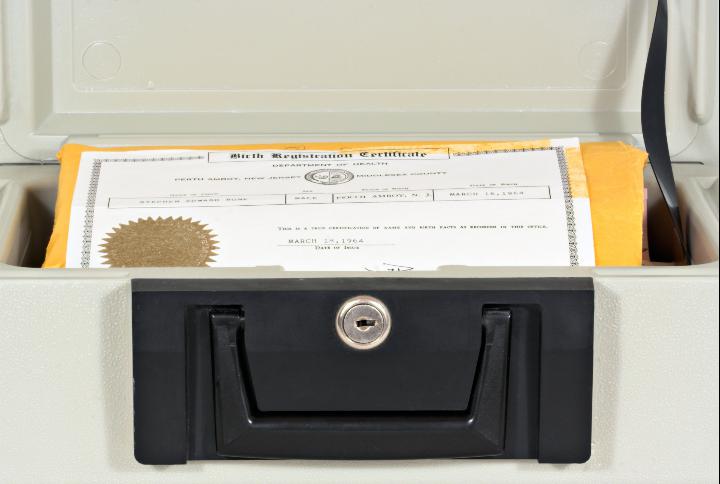
1.   A Fire Safe has one main purpose and that is to protect its contents from fire. You may want to protect papers like your will, stocks, bonds or cash. In addition you may want to protect your identity or protect some irreplaceable family pictures from the unfortunate event of a house fire.


A typical fire safe is rated at so many minutes of protection at a certain temperature level. Do your research when considering a certain safe to see what that safe’s fire rating is.

No safe is “fire proof” but some do a better job than others. Fire safes are rated on how many minutes they can protect contents from fire damage. A typical house safe may have a rating of 60 minutes at 1200 degrees. This means that the contents of the safe will remain at or below 350 degrees inside the safe for up to 60 minutes while involved in a 1200 degree fire.

Paper can start to be ruined at around 350 degrees. Most house fires are in excess of 1000 degrees and can easily get into the 12-1400 range. However, most house fires do not stay at their highest heat levels for very long. Therefore a fire safe will only need to protect for a limited number of minutes.

Fire safes range in many sizes from the consumer products that you can buy at the discount store to the big box safes like you find listed as gun safes or security safes at your specialty shops.

2. Security Safes are built for the purpose of, well, security. While most security safes naturally have some kind of fire rating, they are more concerned about how long they can withstand forced entry as opposed to how long they can withstand heat.

Home security safes can be as specific as Jewelry safes, watch safes or a cash safe. But many are of a more generic use.

Some security safes come with multiple locking mechanisms or fail proof locks that will activate when a thief attempts to gain entry. Some security safes are even wired into the home’s security system and can notify your alarm company and the police if unauthorized entry is attempted.

A floor safe is a type of security safe and is usually built into the floor and hidden from view. A wall safe, being very similar but built into the wall, usually hidden behind a picture. These can be good for the homeowner who has a limited amount of space or who wants to hide valuables from site.

Another type of security safe is the vault. A vault is usually less discreet than a floor or wall safe but can usually protect much more due to its size. The best time to consider a vault is when you are building a new structure or adding on to your current one as they can be very heavy and rather large.

And for the most security conscious among us and if money is of no concern, then you may want to consider a safe room. Usually supplied with enough food and water to hide out for days and enough room to secure the family and its wealth. Again one should consider this type of safe before construction starts or at the time of a major remodel or room addition.


You should also give consideration to the type of entry method your safe will use. There are the standard dial combination locks that are considered a little more secure but much more time consuming to open. The key entry method that is secure but not so convenient if you misplace your key. There is also the push button combination or the bio-metric system or even some combination of both.

Whatever your needs, do your research. Search the internet and talk to professionals before you spend a lot of money. And don’t forget to consider the added cost of delivery and or installation if you choose one of the larger more weighty models.

Give me a call to discuss the insurance aspects of safes for your home. I am a far from being an expert on the subject but we may be able to point you in the right direction. 937-962-2123

In future posts we will discuss these similar topics.

  1. Various types of security systems.

  2. Protect your ID.

  3. Inventory your home.

Categories
Uncategorized

Roadside Emergency

Roadside Emergency

You never know what situation you may face while driving; car accidents and mechanical trouble can strike at any time. Your best bet is to be prepared for the unexpected. Do you have a well-planned emergency kit in your car to help you out? If not, now’s the time to create one with these essential items.

Year-Round Basics
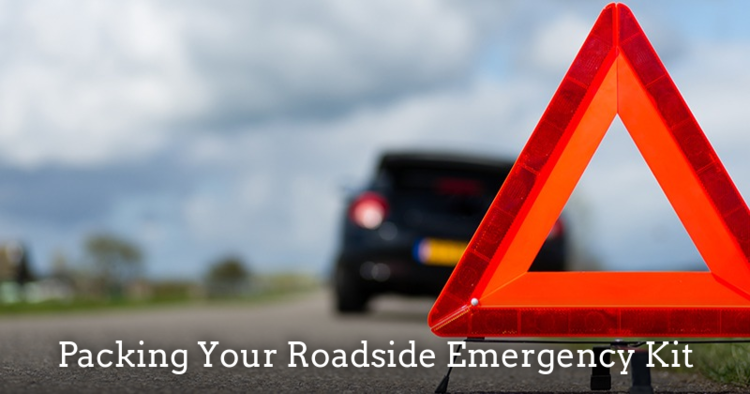
A few items make sense to have in your vehicle at all times, like a small fire extinguisher, a flashlight, jumper cables, tools to change or temporarily repair a flat tire, and hazard triangles to signal other motorists of trouble. A cellphone charger, tire gauge, paper and pencil, and small amount of cash, including change, can also come in handy when you’re surprised with a setback.

And don’t forget to include a first-aid kit with crucial items like bandages, ointment and scissors. Be sure to check the kit and restock it regularly.

Cold-Weather Additions 
Driving in winter weather conditions can present special challenges for drivers of all experience levels. In addition to the items mentioned above, keep the following on hand in case of a cold-weather emergency:

  • A blanket and extra clothing like hats and gloves

  • Ice scraper for the windshield

  • Shovel in case you need to dig out of a snowbank

  • Cat litter to help gain traction

  • Water and nonperishable food

Necessary Precautions 
Before embarking on a long trip, have a mechanic perform a thorough check of your vehicle, including a look at your tires and fluid levels. If you find yourself driving in inclement weather, be extra vigilant and always avoid hazardous road conditions like flooding or fallen power lines.

Taylor & Associates Insurance Agency is proud to support our local community with quality insurance coverage from reputable insurance companies like ALFA Insurance, Allstate Insurance, Celina Insurance Group, Dairyland Insurance, Progressive Insurance, The Hartford Insurance and Western Reserve Group. We provide homeowners insurance for the Tri-County area including Lewisburg, Brookville, West Alexandria, Eaton, Eldorado, New Paris, West Manchester, Arcanum, Greenville, Richmond, Preble County, Montgomery County, Darke County, Wayne County IN.

Categories
Uncategorized

6 Steps To Get Prepared For Severe Weather

6 Steps To Get Prepared For Severe Weather

6 Steps to Get Prepared for Severe Weather

Are you ready for what Mother Nature can do? Recent history has reminded us that anything can happen, so don’t get caught off guard! Take these six steps to ensure you’re prepared should disaster strike: 

  • Update Your Home Inventory —Document your valuables by taking pictures or using a video camera to record them. Another option is to use the Know Your Stuff Home Inventory app from the Insurance Information Institute.


  • Have Insurance Details Handy —Gather all of your insurance documents and store them in a safe place. It’s also a good idea to scan and upload them to a cloud storage account in case original documents are destroyed in a disaster.


  • Prepare an Emergency Kit —Review your emergency preparedness kit to ensure you have the necessary food, water and supplies for a minimum of 72 hours. Remember, it could take emergency workers days to get to you, so be ready.


  • Practice Your Emergency Plan —Review your emergency plan as a family. Discuss what you want your kids to do if they can’t get home safely, where to go if you become separated, and how to stay safe in an emergency.


  • Keep Up With Maintenance and Repairs —Don’t neglect basic home repairs that could become weak links in a storm. Also be sure to eliminate potential hazards that could damage your home in a storm, such as dead branches or trees.


  • Take Necessary Precautions During a Storm —Tune in to local radio and television stations for important weather alerts or sign up to get them on your smartphone. If you’re expecting a storm, pick a safe area away from windows and doors to ride it out.


    To find get more information about how we can help you with your homeowners insurance coverage you can call us at 937-962-2123 or fill out our Quote form. 

Categories
Uncategorized

Tips For Keeping Track Of Paperwork

Tips For Keeping Track Of Paperwork

If you needed to access important personal records, could you quickly find what you need? If not, there’s no time like the present to get organized, particularly with a new year fast approaching. Avoid messy, time-consuming searches with these tips.

Gather What Matters
Ask yourself what documentation you or a family member might need in a dire situation and put it all in a safe place, whether that’s on a USB flash drive, in a fireproof box or both. Include emergency contact numbers, medical records, financial information, vital passwords, legal paperwork and other relevant documents. You can also download free mobile apps that help you prepare for and respond to the unexpected.

Streamline Insurance Paperwork
If you recently bought a new car or added a driver to your policy, make sure to create a digital paper trail. Take photos of the insurance cards for each driver and scan the policy information for your vehicles. Request a copy of your Taylor & Associates Insurance Agency ID Cards here.

Did you purchase a home, remodel your house or take out a renter’s insurance policy? Keep a copy of your home inventory on hand. Apps such as Insurance Information Institute’s Know Your Stuff help by exporting an organized list of your belongings should you ever need to file a claim.

Plan for Tax Time
Though the IRS doesn’t begin processing tax returns until mid-January, you can get ahead of the game by organizing your business expenses and charitable deductions before your W-2 comes in. And technology can simplify the process; several smartphone apps, like OneReceipt, Expensify and iDonatedIt, center around cataloging receipts, miles, donations and more. Even the IRS has an app (IRS2Go) that provides general tax help and information.

Categories
Uncategorized

Minimize Blind Spots

Minimize Blind Spots

Maximize Your Backup Camera

It’s not always what you can see that makes you a dangerous driver; it’s often what you can’t see. Every year, children are seriously injured or killed in backover accidents, prompting the National Highway Traffic Safety Administration to make backup cameras mandatory in vehicles manufactured after May 2018.

As vehicles increase in size, so do their blind spots. SUVs and trucks make seeing objects behind the rear bumper difficult, especially when those objects are low to the ground. Here are a few tips to help you minimize blind spots.

Do a Manual Check— Make it a habit to walk around your vehicle before getting in to check for any objects in its path, like bicycles or children’s toys. Also get in the habit of checking that kids and pets are well away from the vehicle before backing up.

Put the Backup Camera to Work— Always check your backup camera when reversing, particularly in parking lots or driveways where children may dart out or be playing behind parked vehicles. And here’s what to look for when shopping for a backup camera.

Know Your Vehicle— Take extra precaution when driving a vehicle with large blind spots. While backup cameras reduce the blind zone by an average of 90 percent, it’s important to know where you can’t see. If necessary, have a passenger get out of the vehicle to serve as your guide.

Categories
Uncategorized

Are You Making Safe Choices When You’Re At The Wheel?…

Are You Making Safe Choices When You’Re At The Wheel?…

Have you ever had an important phone call or text message come through while you were behind the wheel? It’s a common situation that many drivers face, and it can too easily result in dangerous distracted driving. According to the Centers for Disease Control and Prevention (CDC), at least eight people are killed and 1,161 are injured in crashes involving distracted drivers each day.

How can you keep yourself, your passengers and others on the road safe? Stay informed and discourage distractions in the car.

Defining Distractions
The National Highway Traffic Safety Administration (NHTSA) classifies driving distractions in three ways: visual (taking your eyes off the road), manual (taking your hands off the wheel), and cognitive (taking your mind off the act of driving).

This means that any multitasking behind the wheel is considered distracted driving. To stay safe, set some guidelines for yourself and other drivers in your family:

  • Eat snacks and meals before you start driving. If you must snack, choose quick, convenient foods that aren’t messy or complicated to eat.

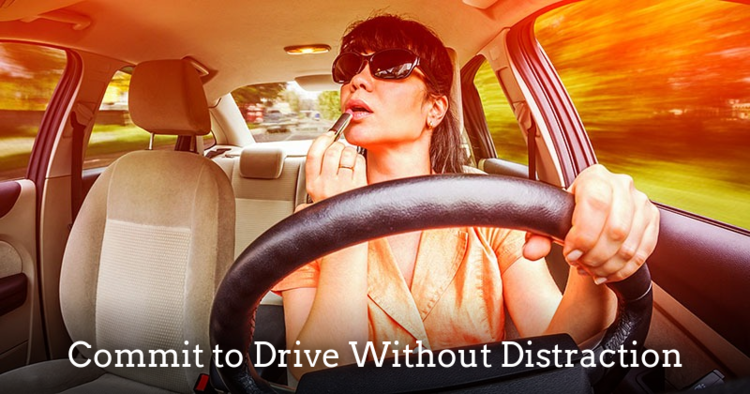
  • Never apply makeup, finish dressing or attempt grooming while driving.

  • Avoid electronic distractions by mapping routes before you begin and disabling text and email push notifications.

  • Use Bluetooth or other hands-free devices in an emergency.

  • If you need to address a distraction, wait until you can pull over to a safe spot.

Distracted Driving Laws
Many states now have laws and regulations surrounding common driving distractions. As of July 2016, 14 states, the District of Columbia and three U.S. territories ban the use of handheld cellphones by those who are behind the wheel, and 46 states as well as the District of Columbia have outlawed text messaging while driving.

Categories
Uncategorized

Understanding Your Policy

Understanding Your Policy

When is damage considered an “Act of God”?

Although the phrase “Act of God” is rarely used in home insurance policies these days, the concept still applies. An “Act of God” limits the liability for damage due to natural phenomena and freak occurrences that cannot be prevented by foresight or caution.

This is why it is important to check which perils are covered and which are excluded from your homeowners policy. In certain instances, you may purchase additional coverage for an excluded peril.

For example, it may be prudent to obtain additional flood insurance if you live in a flood-prone area where the likelihood of a loss due to a flood is high.

Common Act of God Exclusions

Hurricanes and Hail— Losses from a hurricane or severe wind/hail storm are often covered by insurance (except for losses associated with flooding), but there may be wind damage deductibles to mitigate the high risk from these catastrophic events.

Earthquakes— Damage from earthquakes is likely not covered, as earthquakes are not included in standard homeowners policies. If you live in an older home or in an area that is susceptible to liquefaction, you may want to opt for additional earthquake coverage.

Floods— Losses that result from water damage due to a flood or sewer backup are typically excluded. If you live in a floodplain where flooding is a possibility, you may be able to purchase separate flood insurance.

Sinkholes— Classified as “earth movement,” sinkholes (including those caused by old mines) cause damage that is typically not covered. This includes those caused by old mines. However, some state laws require optional sinkhole coverage from insurers.