
Categories
Home Insurance

Are Homeowners Missing Important Insurance Protections

What Every Homeowner Should Know

Taylor & Associates Insurance Agency, LTD

From our family to yours

Are Homeowners Missing Important Insurance Protections?

In a changing risk landscape, simply having a standard homeowners insurance policy may not be enough to fully protect your family’s most valuable asset—your home. According to the 2025 Homeowners Coverage Awareness Report, many U.S. homeowners are aware of additional coverages, but far fewer actually carry them.

Coverage Awareness vs. Coverage Reality

Recent research highlights a significant gap between what homeowners know and what they actually purchase:

• Most homeowners are aware of umbrella insurance, but only a small percentage carry it.
• Valuables coverage is widely recognized, yet rarely added.
• Recreational vehicles are commonly owned, but often uninsured or underinsured.
• Cyber insurance awareness and adoption remain extremely low.

Why These Gaps Matter

Standard homeowners insurance policies have limits and exclusions that many people don’t discover until after a loss occurs. Jewelry, collectibles, electronics, and sports equipment often require additional coverage. At the same time, cyber threats such as identity theft and digital fraud are becoming more common, creating new risks that traditional policies were never designed to address.

How an Independent Agent Helps

Working with an independent insurance agent ensures your coverage keeps pace with your life. We take time to understand what you own, how you live, and what risks matter most to you.

An independent agent helps by:

• Identifying coverage gaps before a loss happens
• Explaining options in plain language
• Comparing coverage across multiple carriers
• Focusing on protection and peace of mind—not just price

The Bottom Line

Your home deserves more than a one-size-fits-all insurance policy. Additional protections such as umbrella liability, scheduled valuables coverage, and cyber insurance can make a meaningful difference when the unexpected happens.


Need a homeowners insurance review?

At Taylor & Associates Insurance Agency, LTD, we help homeowners understand their coverage and make informed decisions. Contact us today for a personalized homeowners insurance review.  https://www.tayloragy.com/homeowners-insurance-quote/
Categories
Home Insurance Homeowners Insurance

Safe Use and Storage of Generators: Insights for the Midwestern Homeowner

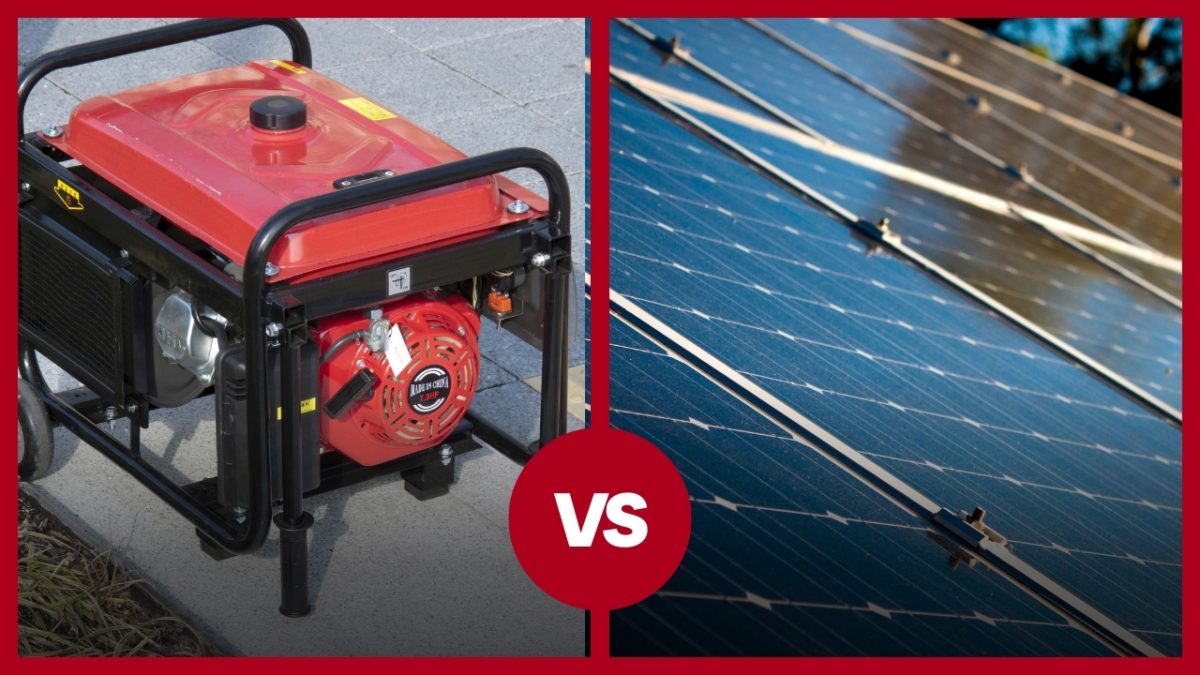
Power outages are an inevitable reality in the Midwest, often caused by storms, high winds, or ice buildup. For homeowners, having a reliable backup power source can mean the difference between comfort and chaos. Gasoline or propane generators and whole-house solar power inverters are two popular solutions, each with its own benefits, risks, and costs. From an insurance perspective, understanding the safety implications and financial impacts of each option is crucial.

Gasoline and Propane Generators: Practical Tips for Safety and Insurance

Portable generators powered by gasoline or propane are often the go-to solution for homeowners seeking an affordable and immediate source of backup power. However, their use and storage require careful attention to safety and compliance with insurance policies.

Key Safety Tips:

  1. Placement Matters: Always operate your generator outdoors, at least 20 feet from your home, to prevent carbon monoxide poisoning. Never use a generator inside your home or garage, even with open doors or windows.
  2. Fuel Storage: Store gasoline and propane in approved containers in a well-ventilated area, away from living spaces. Improper storage could lead to fire hazards.
  3. Regular Maintenance: Inspect and maintain your generator regularly to ensure proper operation and reduce the risk of mechanical failure. It is advisable to follow the recommendations if the manufacturer about the proper methods and schedules for testing and maintenance.

Insurance Considerations:

  1. Fire Risks: Check with your insurer to ensure your policy covers damages caused by a generator-related fire. Some policies may have exclusions for misuse or improper storage.
  2. Additional Coverage: If you’re using a generator regularly, consider adding an equipment breakdown rider to your policy to cover potential repairs.

Whole-House Solar Power Inverters: A Sustainable Alternative

Solar power inverters offer a clean and reliable energy source for backup power, especially when paired with battery storage systems. While the upfront cost is significantly higher than a generator, solar systems come with long-term benefits and fewer safety risks.

Key Advantages:

  1. No Fuel Needed: Solar inverters eliminate the need for gasoline or propane storage, reducing fire risks and environmental concerns.
  2. Silent Operation: Unlike generators, solar systems operate quietly, making them ideal for residential neighborhoods.
  3. Low Maintenance: Solar panels and inverters typically require minimal upkeep compared to fuel-powered generators.

Insurance Considerations:

  1. System Costs: Adding a solar system can increase the value of your home and may require an adjustment to your homeowner’s insurance policy. Typical insurance cost increases range from $10 to $20 per $10,000 of system value annually.
  2. Coverage for Damage: Ensure your policy covers damage to solar panels caused by storms, hail, or other perils common in the Midwest.

Cost Comparison: Generators vs. Solar Systems

FeatureGasoline/Propane GeneratorWhole-House Solar System
Upfront Cost$500 – $2,500$15,000 – $30,000 (with installation)
Fuel/Operational Cost$50 – $150/month (during outages)$0 (once installed)
Insurance AdjustmentMinimal (if any)$100-$300/year
Lifespan10-15 years (with maintenance)25+ years
Environmental ImpactHigh (fossil fuel emissions)Low (renewable energy source)

Conclusion: Choosing the Right Backup Power Solution

The choice between a generator and a solar power inverter depends on your budget, energy needs, and long-term goals. Generators are cost-effective and easy to deploy but come with safety risks and ongoing fuel costs. Solar systems offer a sustainable and low-maintenance alternative, albeit at a much higher initial investment.

From an insurance perspective, both options can be integrated into your policy with proper adjustments. Speak with your insurance agent to ensure you have adequate coverage for your chosen system and always prioritize safety in usage and storage.

By taking these factors into account, you can ensure that your home remains a safe and secure haven, even during unexpected power outages.