Categories
Uncategorized

Life Insurance Awareness Month

Understanding the Importance of Life Insurance

Life insurance serves as a fundamental component of financial planning, offering a safety net for families and businesses in the event of an unexpected loss. Despite its significance, a substantial number of Americans remain underinsured or lack coverage altogether. According to the 2024 Insurance Barometer Study by LIMRA and Life Happens, 42% of U.S. adults—approximately 102 million people—acknowledge the need for life insurance or additional coverage. (limra.com)

Common Misconceptions About Life Insurance

Several myths contribute to the life insurance coverage gap:

  • Perceived Cost: Many individuals overestimate the cost of life insurance. The same study revealed that 72% of Americans believe a basic term life insurance policy is more expensive than it actually is. (limra.com)
  • Lack of Knowledge: Only about 25% of consumers feel confident in their understanding of life insurance, leading to procrastination in obtaining coverage. (limra.com)

Addressing the Coverage Gap

Life Insurance Awareness Month aims to bridge this gap by educating the public on the benefits and affordability of life insurance. Key points include:

  • Financial Security: Life insurance can replace lost income, cover education expenses, and ensure families can maintain their standard of living. (finseca.org)
  • Business Continuity: For business owners, life insurance can protect the enterprise and support succession planning. (finseca.org)

Taking Action

To participate in Life Insurance Awareness Month:

  • Assess Your Needs: Utilize tools like the Life Insurance Needs Calculator to determine appropriate coverage. (lifehappens.org)
  • Consult Professionals: Engage with insurance advisors to explore policy options tailored to your circumstances.​​ https://www.tayloragy.com/contact-us/ 937-962-2123
  • Educate Others: Share information with family and friends to raise awareness about the importance of life insurance.

Conclusion

Life Insurance Awareness Month serves as a timely reminder to evaluate and secure life insurance coverage, ensuring the financial well-being of loved ones and the stability of businesses. By dispelling misconceptions and promoting informed decisions, we can collectively work towards a more financially secure future.

For more information and resources, visit https://www.tayloragy.com/life-insurance/ or call 937-962-2123.

Categories
Auto Insurance

How New Technology is Revolutionizing Car Insurance

The car insurance industry is undergoing a seismic shift, driven by rapid technological advancements. From telematics to artificial intelligence (AI), these innovations are reshaping how insurers assess risk, process claims, and interact with customers. This transformation promises more personalized policies, efficient claims handling, and potentially lower premiums for drivers.

Telematics: Driving Personalized Insurance

Telematics involves using devices installed in vehicles to monitor driving behavior, including speed, braking patterns, and mileage. This data allows insurers to tailor premiums based on individual driving habits, rewarding safe drivers with lower rates.

For instance, one carrier has made significant strides in telematics, now matching competitors in utilizing vehicle-installed devices to monitor driving behavior and optimize pricing. (reuters.com)

Another companies are offering pay-per-mile insurance, charging customers based on the actual distance driven. This model benefits low-mileage drivers by providing cost savings compared to traditional flat-rate policies. (en.wikipedia.org)

Artificial Intelligence: Streamlining Claims Processing

AI is revolutionizing the claims process by enabling faster and more accurate assessments. One particular company uses AI to evaluate vehicle damage from images, expediting claim settlements and reducing the need for manual inspections. (en.wikipedia.org)

Additionally, AI-driven systems can detect fraudulent claims by analyzing patterns and inconsistencies in data, enhancing the integrity of the claims process. For example, the development of AutoFraudNet, a multimodal network, aims to detect fraud in the auto insurance industry by analyzing various data sources. (arxiv.org)

Blockchain: Enhancing Transparency and Security

Blockchain technology offers a decentralized and tamper-proof ledger system, which can be utilized to manage policies, process claims, and handle payments securely. This transparency reduces the risk of fraud and errors, fostering trust between insurers and policyholders.

For instance, token-based insurance solutions on blockchain are emerging, providing cover for new risks and streamlining underwriting and claim processes. (arxiv.org)

Autonomous Vehicles: Redefining Risk Assessment

The advent of self-driving cars is poised to disrupt traditional insurance models. As vehicles become more autonomous, the liability for accidents may shift from drivers to manufacturers, necessitating a reevaluation of risk assessment and policy structures.

A report highlights that if 60% of cars are fully autonomous by 2044, the auto insurance market could shrink substantially, forcing many insurers to adapt or exit the market. (ft.com)

Natural Language Processing: Transforming Customer Interactions

Natural Language Processing (NLP) enables insurers to analyze unstructured data, such as customer inquiries and feedback, to improve service delivery and product offerings. By understanding customer sentiments and needs, insurers can develop more targeted and responsive solutions.

Research demonstrates that NLP can transform raw, unstructured text into structured data suitable for actuarial analysis and decision-making, offering novel perspectives for assessing underlying risk. (arxiv.org)

Conclusion

The integration of new technologies into the car insurance industry is fostering a more dynamic, personalized, and efficient landscape. As telematics, AI, blockchain, autonomous vehicles, and NLP continue to evolve, insurers and policyholders alike stand to benefit from enhanced services and potentially lower costs. Staying informed about these developments is crucial for drivers seeking the most advantageous coverage options.

Categories
Home Insurance Homeowners Insurance

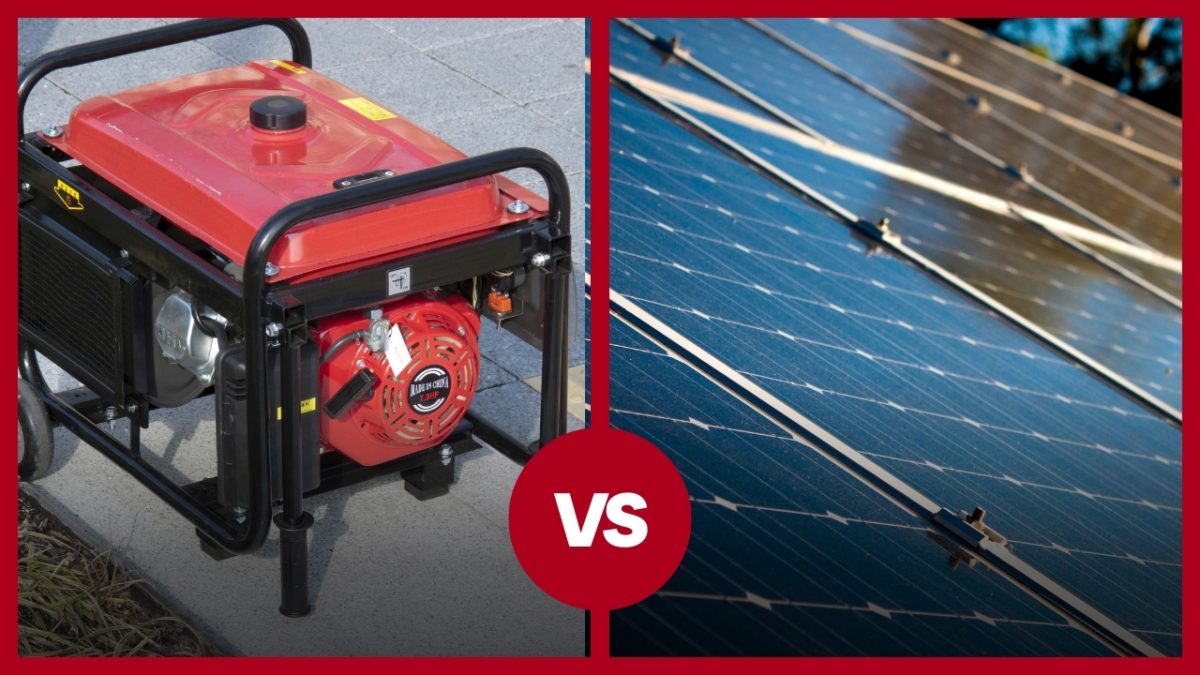
Safe Use and Storage of Generators: Insights for the Midwestern Homeowner

Power outages are an inevitable reality in the Midwest, often caused by storms, high winds, or ice buildup. For homeowners, having a reliable backup power source can mean the difference between comfort and chaos. Gasoline or propane generators and whole-house solar power inverters are two popular solutions, each with its own benefits, risks, and costs. From an insurance perspective, understanding the safety implications and financial impacts of each option is crucial.

Gasoline and Propane Generators: Practical Tips for Safety and Insurance

Portable generators powered by gasoline or propane are often the go-to solution for homeowners seeking an affordable and immediate source of backup power. However, their use and storage require careful attention to safety and compliance with insurance policies.

Key Safety Tips:

  1. Placement Matters: Always operate your generator outdoors, at least 20 feet from your home, to prevent carbon monoxide poisoning. Never use a generator inside your home or garage, even with open doors or windows.
  2. Fuel Storage: Store gasoline and propane in approved containers in a well-ventilated area, away from living spaces. Improper storage could lead to fire hazards.
  3. Regular Maintenance: Inspect and maintain your generator regularly to ensure proper operation and reduce the risk of mechanical failure. It is advisable to follow the recommendations if the manufacturer about the proper methods and schedules for testing and maintenance.

Insurance Considerations:

  1. Fire Risks: Check with your insurer to ensure your policy covers damages caused by a generator-related fire. Some policies may have exclusions for misuse or improper storage.
  2. Additional Coverage: If you’re using a generator regularly, consider adding an equipment breakdown rider to your policy to cover potential repairs.

Whole-House Solar Power Inverters: A Sustainable Alternative

Solar power inverters offer a clean and reliable energy source for backup power, especially when paired with battery storage systems. While the upfront cost is significantly higher than a generator, solar systems come with long-term benefits and fewer safety risks.

Key Advantages:

  1. No Fuel Needed: Solar inverters eliminate the need for gasoline or propane storage, reducing fire risks and environmental concerns.
  2. Silent Operation: Unlike generators, solar systems operate quietly, making them ideal for residential neighborhoods.
  3. Low Maintenance: Solar panels and inverters typically require minimal upkeep compared to fuel-powered generators.

Insurance Considerations:

  1. System Costs: Adding a solar system can increase the value of your home and may require an adjustment to your homeowner’s insurance policy. Typical insurance cost increases range from $10 to $20 per $10,000 of system value annually.
  2. Coverage for Damage: Ensure your policy covers damage to solar panels caused by storms, hail, or other perils common in the Midwest.

Cost Comparison: Generators vs. Solar Systems

FeatureGasoline/Propane GeneratorWhole-House Solar System
Upfront Cost$500 – $2,500$15,000 – $30,000 (with installation)
Fuel/Operational Cost$50 – $150/month (during outages)$0 (once installed)
Insurance AdjustmentMinimal (if any)$100-$300/year
Lifespan10-15 years (with maintenance)25+ years
Environmental ImpactHigh (fossil fuel emissions)Low (renewable energy source)

Conclusion: Choosing the Right Backup Power Solution

The choice between a generator and a solar power inverter depends on your budget, energy needs, and long-term goals. Generators are cost-effective and easy to deploy but come with safety risks and ongoing fuel costs. Solar systems offer a sustainable and low-maintenance alternative, albeit at a much higher initial investment.

From an insurance perspective, both options can be integrated into your policy with proper adjustments. Speak with your insurance agent to ensure you have adequate coverage for your chosen system and always prioritize safety in usage and storage.

By taking these factors into account, you can ensure that your home remains a safe and secure haven, even during unexpected power outages.

Categories
Uncategorized

How to Back Up Physical and Online Documents in Case of Disaster

Disasters can strike without warning, and whether it’s a natural disaster like a hurricane or flood, or a man-made event like a data breach or house fire, losing important documents can make recovery difficult. Backing up both physical and online documents is an essential step in ensuring that your most valuable information is safe, secure, and accessible when you need it most. This blog post will explore the best ways to back up your physical and online documents, with a focus on storage solutions both online and offline, including commercial services available for file storage.

Why Backup Matters

Your essential documents, such as birth certificates, property deeds, insurance policies, medical records, and legal documents, can be hard to replace if they’re lost or destroyed. Digital files, such as personal photos, financial records, and important work documents, are equally vulnerable to hardware failure, hacking, or accidental deletion. Backing up these items provides peace of mind and quick access when you’re faced with an emergency situation.


How to Back Up Physical Documents

Backing up physical documents requires converting them into digital form. Here’s how you can safeguard your critical paper documents:

1. Scan Your Documents:
Use a high-quality scanner to create digital versions of important documents. Many multifunction printers or mobile apps (like Adobe Scan, Microsoft Lens, or CamScanner) can help you quickly convert physical papers to PDF or image formats.

2. Store Copies in a Safe Deposit Box:
For irreplaceable documents like birth certificates, property titles, or wills, it’s wise to store physical copies in a bank’s safe deposit box. They offer a high level of protection from fire, theft, and natural disasters.

3. Fireproof and Waterproof Safes:
Keep physical documents safe at home in a high-quality fireproof and waterproof safe. These safes offer critical protection against fire, water damage, and even burglary.

4. Backup to External Drives:
After scanning your documents, transfer them to an external hard drive or USB flash drive. Keep this backup in a separate location (a friend’s or family member’s house) to ensure it’s safe from local disasters. Ensure that your external drive is stored securely and check it regularly to ensure the data remains accessible.

How to Back Up Online Documents

Digital documents and files are just as important to protect as their physical counterparts. Here are several ways to ensure your online data is backed up securely.

1. Cloud Storage Solutions:
Cloud storage offers convenience and peace of mind, allowing you to access your files from anywhere, even in the event of a disaster. Popular cloud services include:

Google Drive: Offers 15GB of free storage and affordable plans for more. It allows easy file sharing, real-time collaboration, and secure encryption.
Dropbox: Known for ease of use, Dropbox offers 2GB of free storage with premium options for larger needs. It’s ideal for file syncing and sharing across multiple devices.
OneDrive: Integrated with Microsoft Office products, OneDrive offers 5GB of free storage and is a popular choice for those in the Microsoft ecosystem.
iCloud: Apple’s iCloud offers 5GB of free storage, with higher-tier options. It’s designed for seamless integration with Apple devices, making it easy to store photos, documents, and backups of your devices.

2. Dedicated Online Backup Services:
Unlike standard cloud storage services, dedicated backup solutions are designed specifically for data preservation. These services usually run automatically and back up all your files without requiring manual uploads.

Backblaze: Offers unlimited cloud backup for PCs and Macs for a flat monthly fee. It runs continuously in the background, ensuring all your data is securely stored in the cloud.
Carbonite: Provides automatic backup for all your devices. It includes additional features like remote file access and enhanced protection against ransomware.
iDrive: Offers cloud backup for multiple devices, including PCs, Macs, and mobile devices. iDrive allows you to manage backups for multiple computers under one account.

3. Encrypt Sensitive Data:
Whether you’re using cloud services or external drives, sensitive documents like financial records or legal contracts should be encrypted. Services like VeraCrypt and AxCrypt provide encryption tools that secure files, ensuring that they can only be accessed by you.

Offline Backup Options

Storing documents offline provides an extra layer of security, especially in case of a data breach or online service outage. Offline backups are immune to cyber-attacks and accidental deletion.

1. External Hard Drives:
An external hard drive is one of the simplest ways to back up files. Make sure to choose one with plenty of storage space and consider rotating between two drives so that you always have a recent backup.

2. USB Flash Drives:
For smaller backups, USB flash drives are a compact and affordable option. They are portable and can be stored in secure locations, such as a fireproof safe.

3. Network Attached Storage (NAS):
NAS devices are specialized storage solutions that connect to your home or office network, allowing you to back up files from multiple devices. They offer features like RAID (Redundant Array of Independent Disks), which duplicates your data across multiple drives to prevent loss in case one drive fails.

Creating a Backup Plan

Now that you know how to store your documents, it’s time to create a backup plan. Here’s how to ensure your backups remain up-to-date and secure:

1. Set Regular Backup Intervals:
Schedule regular backups to ensure new or updated files are always preserved. Depending on your needs, this could be daily, weekly, or monthly.

2. Use the 3-2-1 Backup Rule:
The 3-2-1 rule ensures maximum protection. It recommends having at least three copies of your data: two on different storage devices (such as your computer and an external hard drive), and one stored offsite (like in the cloud).

3. Test Your Backups:
Make sure your backup files are intact and accessible. Perform regular tests by attempting to restore data from your external drives or cloud storage.

Conclusion

Backing up physical and digital documents is critical for safeguarding your information in case of disaster. Whether you’re storing files online through commercial services like Google Drive or Backblaze, or backing up offline using external hard drives and fireproof safes, the key is to have multiple layers of protection. A combination of cloud storage, external drives, and physical safekeeping will ensure that your important documents are safe, secure, and easily retrievable no matter what happens. Take the time to set up a reliable backup system today—it’s an investment that will pay off in peace of mind and preparedness for any unexpected event.

Categories
Homeowners Insurance

Protect Your Home: Essential Guide to Equipment Breakdown Insurance for Ultimate Peace of Mind

Protect Your Home: Essential Guide to Equipment Breakdown Insurance for Ultimate Peace of Mind

As a homeowner, you’re likely familiar with standard home insurance policies that cover damages from fire, theft, or natural disasters. However, what about the equipment breakdowns that can occur unexpectedly? This is where Equipment Breakdown Insurance comes into play.

Equipment Breakdown

What is Equipment Breakdown Insurance?

Equipment Breakdown insurance is a type of coverage that protects homeowners from the costs associated with sudden and accidental breakdowns of household equipment and systems. It goes beyond the typical coverage provided by standard home insurance policies.

What Does it Cover?

1) Appliances: This includes your refrigerator, dishwasher, oven, microwave, and other major appliances in your home.

2) HVAC Systems: Heating, ventilation, heat pump and air conditioning systems are covered under this policy.

3) Electrical Systems: Wiring, circuit breakers, and electrical panels are included.

4) Plumbing Systems: Coverage extends to water heaters and sump pumps.

5) Home Electronics: Televisions, computers, and home entertainment systems may also be covered.

What Does It Protect Against?

1) Mechanical Breakdowns: These are sudden and unexpected failures of covered equipment due to mechanical issues.

2) Electrical Breakdowns: Damage caused by electrical issues like power surges or short circuits is typically covered.

3) Pressure System Breakdowns: These are sudden and unexpected failures to Pressure Systems.

Why Do You Need It?

1) Comprehensive Protection: While standard home insurance policies cover certain perils, they often exclude equipment breakdowns. Having this additional coverage adds comprehensive protection to your home’s vital systems and appliances.

2) Cost Savings: Repairing or replacing household equipment can be expensive. Equipment breakdown insurance helps offset these costs, potentially saving you hundreds or even thousands of dollars. The deductible that applies to Equipment Breakdown can often be less than the standard deductible that applies to other aspects of your home insurance coverage.

3) Peace of Mind: Knowing that your essential and expensive household equipment is protected against unexpected breakdowns provides peace of mind, especially in times of emergencies.

How to Get Equipment Breakdown Insurance.

1) Check Your Existing Policy: Some home insurance policies offer equipment breakdown coverage as an add-on or endorsement. Check with your agent to see if you’re already covered or if coverage is available.

Things to Consider.

1) Coverage Limits: Make sure you understand the coverage limits and what’s included in your policy. Some items or types of damage may have specific limits or exclusions.

2) Deductibles: Like with any insurance policy, equipment breakdown insurance will likely come with a deductible. Be aware of this cost and how it will affect any claims you make. Ask your agent for details.

3) Maintenance Requirements: Some insurers may require proof of regular maintenance for certain equipment to be eligible for coverage. Ensure you understand any maintenance requirements outlined in your policy.

Conclusion

Equipment breakdown insurance provides an added layer of protection for homeowners, safeguarding them against the costs of unexpected equipment failures. By understanding what it covers, why it’s essential, and how to obtain it, homeowners can make informed decisions to protect their valuable investments and enjoy greater peace of mind.

Paper cut of family on green grass, Concepts saving money for House and car, Vintage tone.

Equipment Breakdown insurance is a valuable investment for homeowners, especially those with complex service systems or appliances. By understanding your coverage options, taking preventive measures, and securing the right insurance policy, you can protect your home and finances from the costly consequences of water backups. Don’t wait until it’s too late – take action to safeguard your property today.

Categories
Uncategorized

Comprehensive Guide to Water Backup Insurance Coverage: Protect Your Home from Costly Damages

Comprehensive Guide to Water Backup Insurance Coverage: Protect Your Home from Costly Damages

As a homeowner, you take pride in your property and work hard to maintain your home’s integrity. However, there are unforeseen events, like water backups, that can wreak havoc on your home, especially your basement or worse yet, a finished basement. Whether it’s due to heavy rain, sewer system issues, or other factors, water backup incidents can lead to costly damages. That’s where water backup insurance coverage comes into play – it’s a safeguard for your financial well-being when facing such unexpected challenges.

Flooded Basement

Why Basement Water Damage Matters

Your basement is more than just a storage space. It may house valuable belongings, serve as a finished living area, or even include essential utilities like your HVAC system or electrical panels. When water infiltrates this space, the damage can be extensive and expensive to repair. From ruined furniture and appliances to compromised structural integrity, the consequences of basement water damage can be overwhelming.

Understanding Water Backup Insurance

 Water backup insurance is an optional coverage that you can add to your homeowner’s insurance policy. While standard policies typically cover certain types of water damage, such as burst pipes, they often exclude damages caused by water backing up through sewers or drains.

 Here are key points to understand about water backup insurance:

 1. Coverage Details: Water backup insurance typically covers damage caused by water backing up through sewers, drains, or sump pumps. This includes damage to your basement and its contents, such as furniture, appliances, and electronics.

 2. Limits and Deductibles: Like other insurance coverages, water backup insurance comes with limits and deductibles. Make sure you understand these limits and choose coverage that adequately protects your property.

 3. Preventive Measures: Insurance providers may offer discounts or incentives for homeowners who take preventive measures to reduce the risk of water backup incidents. This could include installing a sump pump, one way water valve, or backup generator.

 4. Exclusions: It’s essential to review your policy carefully to understand any exclusions. For example, most policies will not cover damage resulting from floods or neglecting maintenance of your plumbing system

Why You Need Water Backup Insurance

1. Financial Protection: Without proper coverage, you could be left paying out of pocket for expensive repairs to your basement and its contents. Water backup insurance provides financial protection against these unexpected costs.

2. Peace of Mind: Knowing that you’re covered in the event of a water backup can give you peace of mind as a homeowner. Instead of worrying about potential damages, you can focus on enjoying your home.

3. Comprehensive Coverage: While you may already have homeowner’s insurance, it’s essential to ensure you have comprehensive coverage that includes protection against all potential risks, including water backups.


Tips for Preventing Basement Water Damage

While having water backup insurance is crucial, taking preventive measures can help reduce the likelihood of experiencing a water backup incident. Here are some tips:

Regularly inspect and maintain your plumbing system. Keeping it free from breaks, clogs and other defects.

-Install a sump pump and ensure it’s in good working condition.

-Install a check valve to prevent sewage backups.

-Add a battery backup to your sump pump.

-Add a water detection device with audible alarm or add a water detection device to your home security system

Paper cut of family on green grass, Concepts saving money for House and car, Vintage tone.

Water Backup insurance is a valuable investment for homeowners, especially those with basements susceptible to water damage. By understanding your coverage options, taking preventive measures, and securing the right insurance policy, you can protect your home and finances from the costly consequences of water backups. Don’t wait until it’s too late – take action to safeguard your property today.